Source Portable Cosmetic Essential Oil Bottle for Travel Beauty
Compare 30 portable cosmetic essential oil bottle options from verified suppliers. Buyers can evaluate glass and plastic materials, capacities from 5ml to 100ml, and customization features like frosted finishes and spray pumps for personal care and medical applications; compare the available evidence and request quotations based on your requirements.
Key considerations
Products List




Comprehensive Sourcing Guide
Portable Cosmetic Essential Oil Bottle Sourcing Guide
Sourcing portable cosmetic essential oil bottles requires balancing material integrity with functional portability, as the product must withstand travel conditions while preserving volatile aromatic compounds. The observed market data indicates a primary focus on glass and plastic variants, with glass often selected for its superior barrier properties against essential oils and plastic favored for unbreakable travel scenarios. Buyers must verify that the selected closure system, such as spray pumps or screw caps, maintains a hermetic seal to prevent leakage and evaporation during transit.
Procurement decisions should also account for the specific capacity requirements, as listings frequently range from 5ml to 50ml to suit different usage contexts. The observed capacity standards suggest that manufacturers offer discrete sizes like 10ml, 15ml, and 30ml, which are critical for defining the final product's portability and user experience. Sourcing teams must ensure that the chosen volume aligns with both regulatory limits for carry-on liquids and the intended application, whether for personal care, medical use, or cosmetic distribution.
Product Scope and Observed Listing Signals
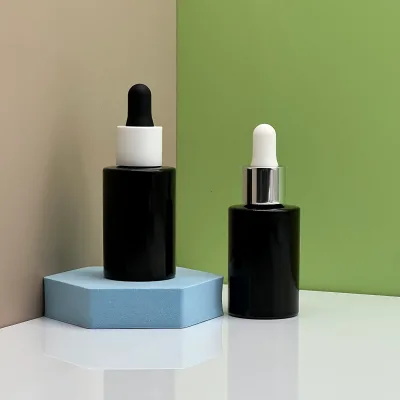
The current market landscape for portable essential oil containers reveals a diverse range of customization options, with suppliers offering both transparent and colored finishes to meet brand identity needs. Listings indicate that while standard transparent glass is common, buyers can request specific colors like black or custom tints, though these often trigger higher minimum order quantities. This variability necessitates a clear definition of aesthetic requirements early in the sourcing process to avoid unexpected cost escalations or extended lead times associated with color-specific tooling.
Functional attributes observed in the listings include various spray mechanisms such as trigger sprays, fine mist atomizers, and continuous sprays, alongside traditional dropper systems. The presence of surface treatments like frosted finishes suggests a market trend toward premium tactile experiences, yet these features may impact the durability of the bottle during rough handling. Buyers should carefully evaluate whether the desired spray type and finish are compatible with the specific viscosity of the essential oil being packaged to ensure consistent performance and user satisfaction.
Technical Specifications to Verify
Verifying the material composition is the first critical step, as the supply data highlights distinct options between glass and plastic, each with unique chemical resistance profiles. Glass bottles, often described as melt glass, provide excellent protection against oil degradation but require robust packaging to prevent breakage, whereas plastic options offer lightweight durability suitable for active lifestyles. Procurement teams must confirm that the specific polymer or glass type is chemically inert to the essential oil formulation to prevent leaching or container degradation over the product's shelf life.
Closure mechanisms and sealing integrity are equally vital, with observed specifications ranging from aluminum screw caps to lotion pumps and atomizers. The data indicates that sealing types must be rigorously tested to ensure they prevent leakage, particularly for travel-sized containers that may experience pressure changes or physical impact. Buyers should request detailed technical drawings or samples to validate that the cap thread pitch and pump mechanism align with the bottle neck dimensions, ensuring a secure fit that maintains the product's freshness and prevents spillage.
Compliance and Safety Documentation
Ensuring regulatory compliance is paramount when sourcing containers for personal care and medical applications, as the product may come into direct contact with skin or ingestible substances. The observed certification landscape includes RoHS, REACH, and LFGB standards, which are essential for verifying that the materials do not contain restricted substances harmful to human health. Buyers must explicitly request current test reports for these certifications to confirm that the supplier's production batches meet the stringent safety requirements of target markets like the European Union and North America.
Beyond material safety, the manufacturing process itself must adhere to quality standards that guarantee product consistency and traceability. The presence of an automatic inspection system in some supplier profiles suggests a commitment to defect reduction, yet buyers should verify the scope of this inspection to ensure it covers critical failure points like seal integrity and volume accuracy. Documentation should also include proof of origin, such as the Ningbo or China manufacturing locations noted in listings, to facilitate customs clearance and ensure that the supply chain meets ethical and logistical expectations.
Cost Drivers and Commercial Terms
Commercial terms for portable essential oil bottles are heavily influenced by minimum order quantities, which can vary significantly based on customization levels and material choices. The observed data shows MOQs ranging from 5,000 to 100,000 pieces, with color-specific orders often requiring higher volumes, such as 20,000 pieces, to justify the setup costs for specialized tooling. Buyers must align their initial order volume with these thresholds to secure competitive pricing, while also considering the potential for future reorders to amortize the initial investment in custom molds or finishes.
Lead times and sample availability are additional cost factors that impact the overall procurement timeline and budget. Listings indicate a standard delivery time of approximately 25 days, but this can extend if custom colors or complex spray mechanisms are involved. While some suppliers offer free samples to validate quality, the cost of shipping and the time required for sample approval must be factored into the project schedule. Understanding these commercial dynamics allows buyers to negotiate more favorable terms and plan production schedules that accommodate potential delays without disrupting market launch dates.
Supplier Qualification and Quality Control
Supplier qualification should prioritize manufacturers with demonstrated experience in producing glass and plastic containers for the cosmetic and pharmaceutical sectors. The observed product models and specifications suggest that suppliers possess the technical capability to handle diverse applications, from travel-sized essential oil bottles to larger cosmetic packaging. Buyers should verify the supplier's production capacity and history of fulfilling orders with similar technical requirements, ensuring they can maintain consistent quality across large batches without compromising on the integrity of the closure systems.
Quality control protocols must be robust, particularly given the critical nature of sealing and material safety for essential oil products. The mention of automatic inspection systems in supplier profiles is a positive indicator, but buyers should request a detailed quality assurance plan that outlines specific testing procedures for leakage, drop resistance, and chemical compatibility. Establishing a clear communication channel for quality feedback and defining acceptance criteria for defects will help mitigate risks and ensure that the final delivered products meet the rigorous standards expected by end consumers.
Long-Term Procurement Checks
Establishing a long-term partnership requires regular audits of the supplier's ability to maintain consistent quality and adhere to agreed-upon specifications over time. As market demands evolve, the supplier must demonstrate flexibility in adapting to new design trends, such as changes in bottle shape or the introduction of eco-friendly materials, without compromising on the core performance attributes of the container. Buyers should schedule periodic reviews of production data and quality metrics to ensure that the supplier continues to meet the high standards required for portable cosmetic and essential oil packaging.
Sustainability and supply chain resilience are increasingly critical factors for long-term procurement success in the cosmetic industry. Buyers should assess the supplier's commitment to eco-friendly practices, such as the use of recyclable materials or energy-efficient manufacturing processes, to align with growing consumer and regulatory expectations. Additionally, verifying the supplier's contingency plans for raw material shortages or logistical disruptions will ensure that the supply chain remains stable, allowing for consistent product availability and minimizing the risk of stockouts in the competitive portable cosmetic market.
FAQs
Can I customize the color and material of the bottle?
Yes, customization is available for both color and material. You can choose from transparent, black, or any color option. The bottles are manufactured using glass or plastic materials to suit your specific branding needs. Custom orders typically require a minimum quantity of 20,000 pieces to accommodate the specialized production processes and color matching requirements.
What are the standard capacity options for these bottles?
Standard capacities range from 5ml to 100ml, including specific sizes like 10ml, 15ml, 20ml, 30ml, 50ml, 60ml, 80ml, and 100ml. These sizes are suitable for various applications such as perfumes, essential oils, and personal care products. The flexible capacity range allows you to select the most appropriate volume for your product formulation and packaging strategy.
What is the typical lead time for production?
The typical delivery time is 25 days for standard orders. This lead time applies to most production runs, ensuring timely fulfillment of your procurement needs. For urgent requirements, please confirm availability with the supplier, as production schedules may vary based on order volume and customization complexity. Early planning is recommended to align with your launch timeline.
Are free samples available for quality evaluation?
Yes, suppliers offer 2 to 3 free samples for quality evaluation. This allows you to assess the material quality, closure type, and overall finish before committing to a large order. Samples help verify that the product meets your specifications for usage in medicine, chemical, cosmetics, or personal care applications. Request samples early to facilitate informed decision-making.
What certifications do the bottles meet?
The bottles meet RoHS, REACH, LFGB, and ISO standards. These certifications ensure compliance with international safety and environmental regulations for materials used in contact with cosmetics and personal care products. The manufacturing process includes an automatic inspection system for quality control. These standards provide assurance of product safety and reliability for global market distribution.
What is the minimum order quantity for custom colors?
The minimum order quantity for custom colors is 20,000 pieces. This higher MOQ reflects the additional setup and material preparation required for non-standard color production. Standard transparent or black options may have lower MOQs, typically around 10,000 pieces. Planning your color strategy early helps optimize production efficiency and cost-effectiveness for your procurement needs.